July 23, 2026
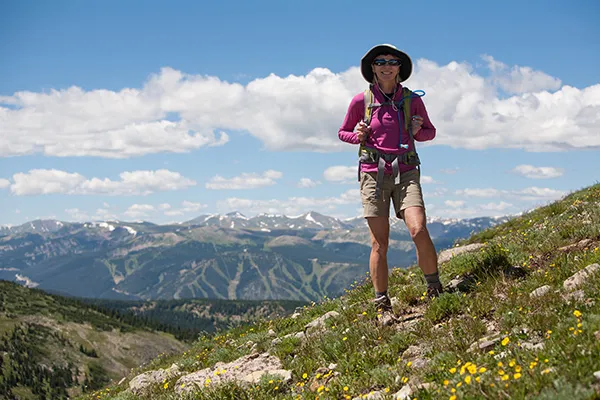
Whether you're visiting Winter Park for hiking, skiing or just enjoying the fresh mountain air, your body needs time to adjust to Colorado's high elevation. Altitude sickness can affect anyone, no matter your age or fitness level. Knowing the symptoms, how to prevent it and when to seek medical care can help you enjoy your trip safely.
What Is Altitude Sickness?
Altitude sickness, also called acute mountain sickness (AMS), happens when you reach a high altitude too quickly and your body doesn't have time to adjust. The higher you go, the less oxygen there is in the air. That makes it harder to breathe and harder for your body to work the way it normally does. Until your body adapts, you may notice symptoms.
Symptoms often start within the first six to 24 hours at a higher elevation, especially if you've traveled from a lower one. Visitors from lower elevations face the highest risk, but altitude sickness can also affect Coloradans who travel to higher elevations.
Common Symptoms of Altitude Sickness
Altitude sickness can show up in different ways. The most common symptoms include:
- Headaches
- Fatigue
- Dizziness
- Nausea
- Loss of appetite
- Shortness of breath
- Trouble sleeping
Children may show signs of altitude sickness differently than adults. Instead of a headache, a child may seem unusually tired or develop nausea and vomiting. Adults should keep an eye on children after arriving at a higher elevation, especially if the child seems less active than usual.
How to Reduce Your Risk
Altitude sickness is often preventable. Here are a few simple steps that can help your body adjust more comfortably.
- Take it slow. If your schedule allows, increase your elevation gradually instead of heading straight to the highest point. Giving your body time to adjust can lower your risk of symptoms.
- Take it easy on your first day. Avoid strenuous hikes, long ski days or intense physical activity right after you arrive. Give your body time to adjust before you exercise.
- Stay hydrated. At higher elevations, your body loses fluids faster through breathing and physical activity. A good rule of thumb is to drink two to three times more water than you normally would throughout the day.
- Limit alcohol. Alcohol can add to dehydration and may make altitude sickness symptoms worse. Consider waiting until your body has adjusted before you drink alcohol.
- Eat regular meals and get plenty of rest. Good nutrition and sleep give your body the energy it needs to adjust to the altitude and recover from travel.
When Should You Seek Medical Care?
Mild altitude sickness often improves within a day or two of resting, drinking plenty of water and avoiding strenuous activity. However, you should never ignore symptoms that get worse.
Seek medical attention if you experience:
- Shortness of breath at rest
- Persistent vomiting
- Chest tightness
- Difficulty walking normally
- Dizziness and confusion
- Blue lips or fingernails
If your symptoms aren't improving, or you're not sure whether they're related to altitude, the team at Denver Health Winter Park Clinic can evaluate your condition and recommend the right treatment. Our providers can check your symptoms, rule out other illnesses and help decide whether it's safe to continue your activities or if you need more care.
Whether you're visiting Winter Park for a weekend getaway or you live in the community year-round, we're here to help you stay healthy so you can get back to enjoying everything the mountains have to offer.