August 20, 2026
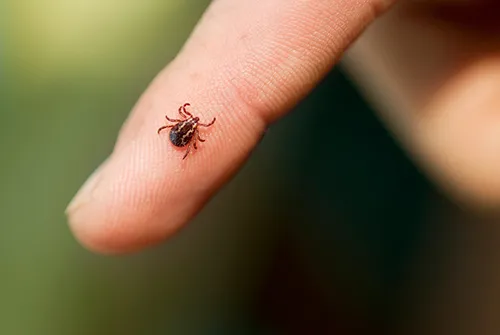
Spending time outdoors in Colorado means sharing the trails and grass with insects and ticks. Most bites and stings are harmless, but some can lead to serious illness or allergic reactions. Knowing how to avoid stings, and when to seek care, can help you enjoy the outdoors safely.
Ticks are commonly found in grassy wooded areas across Colorado. A tick bite itself is usually painless, so checking for ticks after spending time outside is crucial. Bee and other insect stings usually only cause temporary pain and swelling, but if it sparks an allergic reaction, it can become more serious.
Insect stings happen without warning, and bees and wasps are especially active during summer months. Being aware of your surroundings, especially in wooded or grassy areas, can help you avoid an unexpected encounter.
How to avoid bites and stings
- Wear protective clothing and shoes. Long sleeves, long pants and closed-toe shoes can help prevent ticks and insects from reaching the skin.
- Use insect repellent. Apply repellent to any exposed skin, and reapply as directed.
- Check yourself. After spending time outdoors, check skin and hair since ticks often go unnoticed.
- Carry medication if you have a known allergy. Always carry your prescribed epinephrine auto-injector (Epi-Pen) with you, and make sure others in your group know how to use it.
When should you seek medical care?
- A rash, especially one that looks like a bullseye or spreads outward from the bite
- Fever or flu-like symptoms
- Swelling beyond the initial bite
- Difficulty breathing or dizziness
If you find a tick that is still attached, properly remove it, and monitor symptoms over the following days and weeks.
If you develop any of the symptoms above after a bite or sting, visit an urgent care or emergency room to get checked out. Prompt treatment can make a huge difference, especially with tick-related illness.
Spending time outdoors is the best way to spend a summer in Colorado, and a few simple precautions can help avoid unwanted bites and stings. If you do notice concerning symptoms after being outside, the Denver Health Winter Park Medical Center is here to help you get the care you need.