August 04, 2026
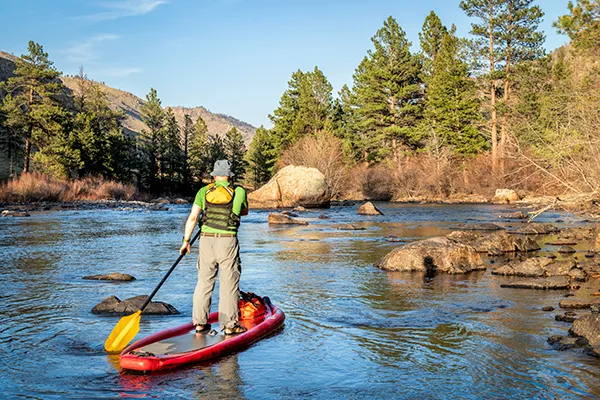
Paddleboarding has become one of the most popular ways to enjoy Colorado’s lakes and reservoirs, and it is easy to see why. Calm water, mountain views and sunny days make it a favorite summer activity across the state. But conditions at altitude can change faster than paddlers expect, so a little precaution goes a long way.
What makes paddleboarding at altitude riskier?
Mountain weather can shift quickly, even when the day starts out sunny and calm. Storms can build with little warning, bringing strong, gusty winds that can knock paddlers off their boards before they have time to react. On top of that, the sun at high altitude is more intense, which means sunburns can happen faster and more severely than they would at lower elevations.
How to stay safe on your paddleboard
- Wear a life jacket
- Protect your skin
- Watch the sky for changes in weather
When should you seek medical care?
Most paddleboarding mishaps are minor, but seek medical attention if you experience:
- A fall or collision that causes pain, swelling or trouble moving normally
- Signs of a bad sunburn, such as blistering, severe pain or fever
- Symptoms of cold-water exposure, such as uncontrollable shivering or confusion after falling in
Whether you're on a trail or on the water, the team at Denver Health Winter Park Medical Center is here to help you stay safe and healthy all summer long, no matter where in Colorado your adventures take you.