August 05, 2026
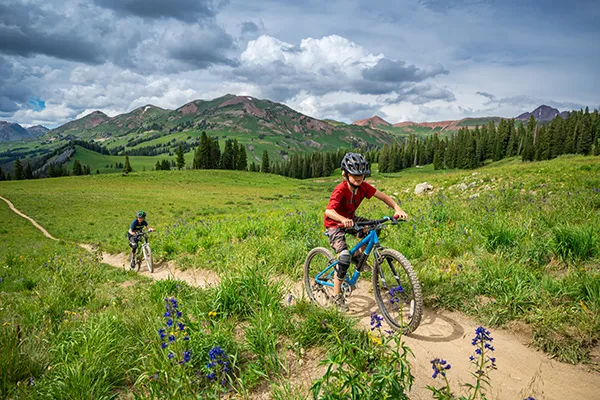
Colorado’s biking trails draw riders from all over the world every summer, from beginners on their first flow trail to experienced riders hitting jumps and technical terrain. Mountain biking is a great way to spend a summer day in the mountains, especially in Winter Park, but the risks of mountain biking can go far beyond heat stroke, altitude sickness and dehydration. Knowing how to prepare and what to watch for can help you ride safely all season long.
What makes mountain biking at altitude different?
Riding at elevation means your body is working harder than it would at sea level, even before you factor in the terrain. Trails often include rocks, roots, jumps and sharp turns, which raise the risk of falls and collisions. Weather at altitude can also change quickly, turning a warm, sunny ride into a cold, wet one within an hour. Being prepared for both the terrain and the conditions is the best way to have a safe day on the bike.
How to prepare before you ride
- Wear the right protective gear. A properly fitted helmet is a must, and pads for your knees, elbows and hands can help protect you during a fall, especially on bike trails with jumps and features.
- Check your bike before every ride. Make sure your brakes, tires and suspension are working properly. A quick check before you head out can prevent a mechanical failure on the trail.
- Ride within your skill level. Trails are often marked by difficulty similar to ski runs. Start on easier trails and work your way up as your skills improve.
- Dress for changing weather. Pack a light jacket, even on a warm day. Mountain weather can shift quickly, especially at higher elevations.
- Protect your skin. Always wear sunscreen, since the sun is stronger at altitude, making it easier to burn.
When should you seek medical care?
Falls and crashes are common in mountain biking and it is important to know when to visit a clinic. Some injuries need medical attention right away. Seek medical care if you experience:
- A hard hit to the head or any signs of concussion, such as confusion, dizziness, headache, nausea or blurred vision
- A suspected broken bone, including visible deformity, severe swelling or inability to bear weight
- A joint that looks out of place or won't move normally after a fall
- Rash or deep cuts that are large, won't stop bleeding or show signs of dirt and debris embedded in the skin
- Numbness, tingling or loss of movement in an arm, leg or hand after a crash
Head injuries deserve extra caution. Even if you feel OK right after a fall, symptoms of a concussion can show up later, so it is important to have any hard hit to the head checked out.
Care close to the trail
Denver Health’s Winter Park Medical Center is at the base of Winter Park Resort. Whether it is a suspected concussion, a broken bone or a bad rash, our team can evaluate your injury and get you the right treatment without a long drive down the mountain.