July 23, 2026
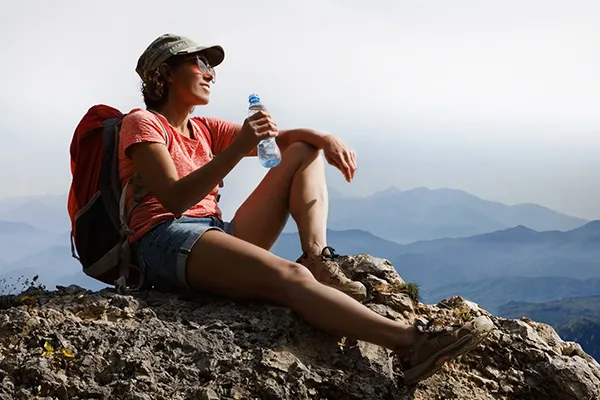
Summer in Colorado means hiking, mountain biking, fishing and spending long days outside. Colorado's climate, especially in places like Winter Park, can feel cooler than other parts of the country, but warm temperatures, direct sunlight and strenuous activity can still put you at risk for heat-related illness.
Heat exhaustion and heat stroke happen when your body can't cool itself properly. Dehydration, long periods outdoors and physical activity can all raise your risk, especially during the hottest parts of the day.
Knowing how to recognize the early signs of overheating, what to do if you start feeling sick and when to seek medical care can help you stay safe.
How to Recognize Heat Exhaustion
Heat exhaustion is often your body's warning that it's overheating. Symptoms may develop gradually or appear after you've spent a long time outdoors.
Common signs of overheating include:
- Heavy sweating
- Weakness or fatigue
- Dizziness
- Headache
- Nausea
- Muscle cramps
- Cool, moist or clammy skin
- Rapid pulse
If you notice these symptoms, stop your activity and get out of the heat. Move into the shade or an air-conditioned space, drink cool fluids and give your body time to recover.
Tips to Avoid Overheating
The best way to avoid heat-related illness is to stay cool and hydrated before you start to feel overheated.
- Drink water consistently. Don't wait until you're thirsty to hydrate. Drink water regularly throughout the day, especially before, during and after physical activity. If you're exercising or sweating heavily for a long period, replacing electrolytes is important too.
- Plan activities around the heat. If you're hiking, biking or exercising, consider starting early in the morning or waiting until evening, when temperatures are cooler. Try to avoid long activity during the hottest part of the day.
- Take breaks. Give your body regular chances to rest. Look for shade, head indoors or spend time somewhere air-conditioned when you can.
- Dress for the weather. Lightweight, loose-fitting clothing can help your body stay cool outside. A hat can add extra protection from direct sunlight.
- Use sunscreen. Protect your skin by applying sunscreen before heading outside, and reapply as directed. Sunburn can make it harder for your body to regulate its temperature.
- Know your limits. If you notice any of the symptoms above, stop what you're doing right away, move somewhere cooler, drink fluids and let your body recover.
Young children, older adults, people who are pregnant, outdoor workers and people with chronic illnesses may be more vulnerable to heat-related illness. Take extra precautions and check on those who may be at greater risk during hot weather.
When Should You Seek Medical Care?
If you think you or someone you know is experiencing heat exhaustion, act quickly. Heat stroke is a life-threatening emergency that requires immediate medical attention.
Call 911 if someone shows signs of heat stroke, including:
- A body temperature of 104 degrees Fahrenheit or higher
- Confusion
- Seizures
- Hot skin
- Inability to drink fluids
A person experiencing heat stroke may become confused or lose consciousness and may not realize they need help. Don't wait for symptoms to improve on their own.
Whether you're visiting Winter Park for a summer adventure or spending time in your community, a little preparation can go a long way toward preventing heat-related illness.
If you have symptoms that aren't improving, or you're unsure whether you need medical care, the team at Denver Health Winter Park Clinic is here to help. Our doctors and nurses can evaluate your symptoms and recommend the right care to get you back to enjoying Winter Park.