August 03, 2026
Colorado’s summer has a way of pulling people outside. Hiking boots come out of the closet. Bikes hit the trails. Dogs get extra walks.
Unfortunately, ticks are eager to join the party, and this summer shows no signs of letting up.
The state is home to about 30 species of ticks, including such friendly sounding names as Rocky Mountain wood tick and American dog tick.
“They're not looking for friendship," said Kellie Hawkins, MD, an infectious disease specialist at Denver Health. “They're looking for a blood meal.”
The good news is that Colorado isn't a tick-borne-disease hotbed, and most people who get bitten never get sick.
The most common sickness is Colorado tick fever, a virus that mimics the flu so closely that most people never realize a tick was to blame. Because many people recover with rest and supportive care, Hawkins said, cases may be underreported. Rarer conditions, like Rocky Mountain spotted fever and tick-borne relapsing fever, do require medical attention.
Lyme disease
That's the one most people ask about, Hawkins said, but it isn’t a major concern here. Cases diagnosed in Colorado are generally linked to travel in places where Lyme, an acute inflammatory disease, is more common, like the East Coast.
Most people can avoid bites with some simple defensive strategies. Stick to trails. Wear long sleeves and pants.
Tuck your pants into your socks if you're heading into higher-risk areas; this won't win you any fashion points, but it works. DEET repellent and permethrin-treated clothing help too.
When you get home, check yourself carefully. Ticks like to hide in folds of skin, and they can turn up anywhere.
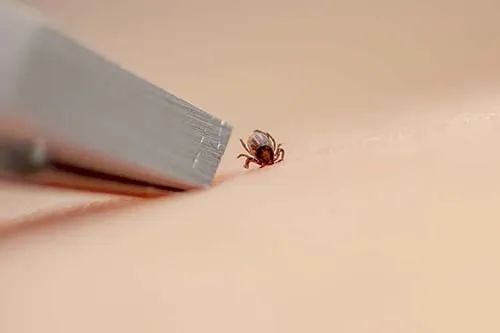
If you find one attached, grab a pair of tweezers, get as close to the skin as possible and pull straight out.
A tick bite alone doesn't usually isn’t reason for a trip to urgent care. Remove it, clean the area and watch for symptoms. Signs of illness typically show up three to 10 days after a bite. A fever, rash or unusual fatigue in that window is your cue to call your doctor.
Life's too short to spend it worrying about ticks, especially in Colorado. But this summer is long enough to check your socks.