June 03, 2026
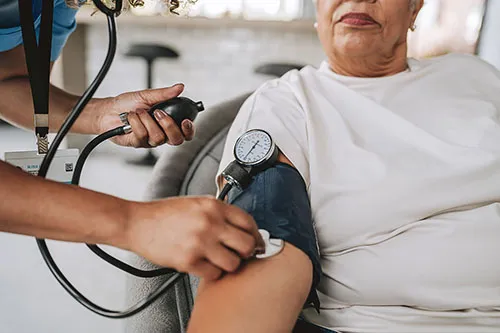
Most people do not think about their blood pressure or cholesterol until a doctor brings it up. But new national guidelines make the case that patients should pay attention sooner in life.
Updated guidelines from the American Heart Association and American College of Cardiology are urging patients and providers to pay attention sooner to two of the biggest drivers of heart disease: high blood pressure and cholesterol.
Maranda Herner, DO, a Denver Health cardiologist, said the new guidelines highlight the importance of more aggressive preventive measures.
“The biggest takeaway would be to have more patients aware of their blood pressure and lipids, so they can bring them up and talk about them with their primary care provider and make sure that they're adequately addressing them earlier on,” Herner said.
For blood pressure, the familiar numbers are still there. A reading less than 120/80mmHg is considered normal. A reading of 140/90mmHg or higher is more serious and generally means patients should talk to their doctors about starting medication.
The new guidance puts more focus on treating some higher-risk patients earlier, at a threshold of 130/80mmHg, such as those with diabetes, chronic kidney disease or a history of heart attack or stroke. The goal for most adults is a blood pressure below 130/80mmHg.
The cholesterol guidelines also push for more action to lower LDL, often called “bad cholesterol.” They call for lower LDL goals, especially in people at higher risk or who have heart disease. They also encourage using CT imaging, even using CTs that may have been done for other reasons, to help raise disease awareness, risk-stratify and guide treatment.
For blood pressure, the familiar numbers are still there. A reading less than 120/80mmHg is considered normal. A reading of 140/90mmHg or higher is more serious and generally means patients should talk to their doctors about starting medication.
Both guidelines now rely more on a newer risk calculator, called PREVENT, which can be used starting at age 30.
Lifestyle changes can help, whether a person is at risk or not. Eating less salt, exercising more and avoiding smoking and alcohol can all help lower risk. But the newer guidance also recognizes that medication may need to start sooner while patients work on those changes.
“If your numbers are high, guidelines recommend early intervention and initiation of medications,” Herner said. “Therefore, we can protect you first and foremost while you make these lifestyle changes.”
The message for patients is simple: Don’t wait until something feels wrong.
To schedule an appointment at Denver Health, book it in MyChart, call 303-436-4949 or visit the online appointment center.