Adult Outpatient Mental Health Services
Outpatient Services are services for people who do not require hospitalization and are struggling with mental health concerns. Patients receive treatment in a clinic, office, or hospital setting without being admitted overnight.
The Adult Outpatient Mental Health team includes psychiatrists, psychologists, master's level therapists and prescribers, and case managers. Individual psychotherapy, group psychotherapy, couples therapy, medication management, and case management are offered for a wide range of psychiatric disorders (including trauma-related disorders) for patients aged 18 and up.
Adult Conditions We Treat
- Attention Deficit/Hyperactivity Disorder (ADHD)
- Anxiety disorders
- Behavioral and emotional disorders
- Bipolar disorder
- Borderline personality disorder
- Depression
- Obsessive-compulsive disorder
- Post-traumatic stress disorder
- Schizophrenia
- Substance Use Disorder
Intensive Outpatient Program (IOP)
If you need more help than basic outpatient care, but don't need to be fully hospitalized, our IOP could be a good option for you. The program utilizes group therapy, skill building and person-centered care to help reduce symptoms and improve overall functioning.
Read More Read Less
Our IOP program is appropriate for:
- Patients who need more intensive treatment to divert inpatient hospitalization.
- Patients who need more intensive support upon discharge from inpatient hospitalization.
- Patients who are receiving outpatient treatment but are experiencing worsening symptoms and a decline in functioning.
- Patients who would benefit from differential diagnosis evaluation.
- Patients who would benefit from intensive coping skills training in a group setting.
Patients receive weekly individual psychotherapy sessions with an IOP therapist and weekly medication reviews by an IOP psychiatrist. Transportation assistance may be provided to and from our program for those residing in Denver County. Our program is led by a team of mental health professionals, including psychiatrists, nurses, social workers, and psychologists who offer personalized therapeutic treatments to help manage your conditions.
- Anxiety Disorders
- Depression Disorders
- Post-Traumatic Stress Disorder (PTSD)
- Eating Disorders Treatment Center
Medication Management
Medication management is an invaluable approach for treating mood disorders like depression, anxiety, and other mental health conditions. Our expert psychiatrists tailor prescriptions and dosages to fit your unique lifestyle and needs, ensuring the most effective treatment.
Read More Read Less
What Is Medication Management?
Medication management includes providing support and education to ensure that the patient takes the correct medication at the right time and understands its effects on their body and mind.
The Benefits of Medication Management
Medication management can provide a range of benefits for psychiatry patients, including improved quality of life, better symptom control, and improved compliance with treatment plans. With proper medication management, patients can benefit from more consistent symptom control and improved mental health.
Proper medication evaluation takes into account many factors:
- Diagnosis
- Age, weight, height
- Comorbid medical and psychiatric conditions
- Side effects
- Medication history with a list of doses, effects, side effects, if applicable
- And most importantly, PATIENT PREFERENCE
- Individual therapy
- Couples therapy
- Group psychotherapy
- Medication
Neuropsychological Testing Services
Neuropsychology focuses on the assessment of how a person's brain is working. Although brain scans such as CT or MRI can show physical damage to the brain, changes in how the brain works (for example, memory or attention) often do not match the damage shown on a scan.
Read More Read Less
Contact Neuropsychological Testing Services
Phone: 303-602-4772.
Referrals can be faxed to 303-436-3327.
Neuropsychological Evaluation:
A neuropsychological evaluation consists of multiple tests of different thinking processes. This may include intelligence tests, attention, memory, reasoning and other thinking skills. A neuropsychological evaluation can detect subtle changes in thinking other evaluations cannot detect. Reasons patients may be referred included cognitive ability after stroke or head injury, type and severity of dementia and the effect of thinking problems on everyday activities such as managing money, driving and living independently.
Our neuropsychologists provide evaluations for adult and geriatric patients. Referrals from doctors outside of the Denver Health system are welcome and can be faxed to the number below.
Neuropsychology does not do forensic evaluations or offer evaluations for developmental delay, learning disorders, or autism.
Neuropsychological Conditions
- Alzheimer's Disease
- Anoxic Brain Damage
- Aphasia
- Concussion
- Dementia
- Epilepsy
- Stroke
- Memory Problems
- Mild Cognitive Impairment
- Parkinson's Disease
- Traumatic Brain Injury
Treatments
- Depending on the results of the neuropsychological evaluation, patients may be referred for various treatments including cognitive rehabilitation, individual psychotherapy, or sleep medicine.
Meet One of Our Adult Outpatient Providers
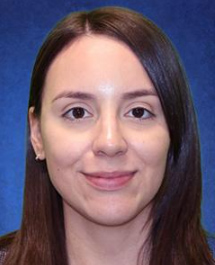
Janeliz Santos Lopez, PsyD
Bilingual Clinical Psychologist
Adult Outpatient Mental Health
Dr. Janeliz Santos Lopez specializes in providing bilingual, person-centered and culturally informed care to underserved and underrepresented populations within Outpatient Behavioral Health Services. Her approach to treatment is motivated by her curiosity, compassion, and dedication to empower her patients as they move through life and its challenges. She is committed to creating a safe therapeutic space that allows her to meet her patients where they are and support them in achieving their goals. As a Latina psychologist, she recognizes the gap in training opportunities for bilingual trainees to enhance their multicultural awareness, linguistic proficiency and abilities to address intersecting identities of Latino/a/e & Hispanic populations. Recognizing this gap, she collaborated with faculty members of the Denver Health Psychology Internship Program to co-create the Adult Spanish Bilingual track. This track is a step towards bridging that gap and provides training opportunities for psychology residents who strive to strengthen their skills to provide linguistically responsive services.