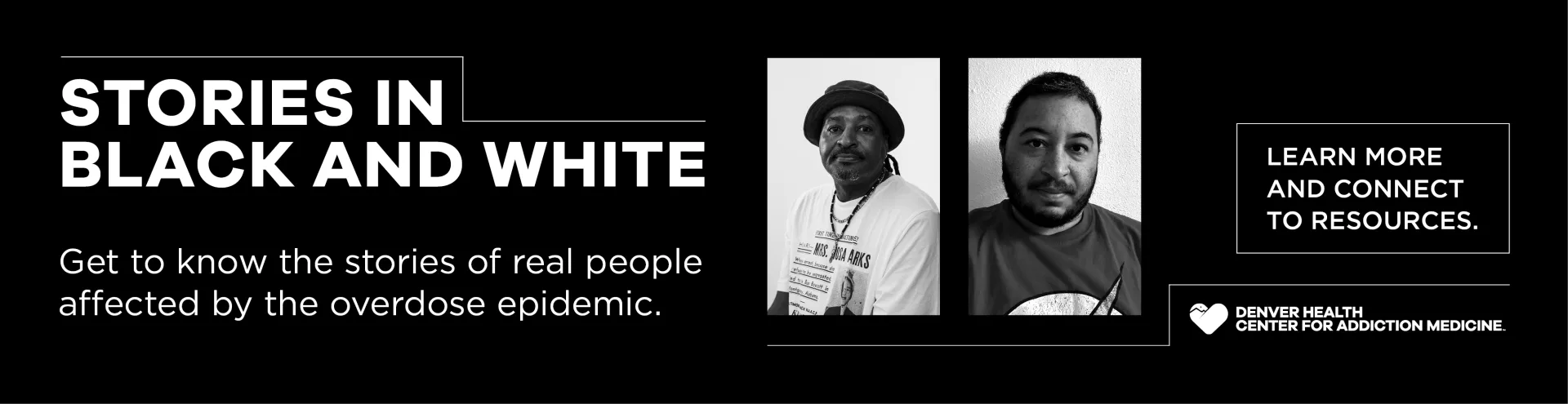
Stories in Black and White tell the stories of real people impacted by the opioid crisis and overdose epidemic. We hope these stories encourage more dialogue and less stigma about how people from all walks of life can get the support they need when they are ready. Denver Health patients, peer support specialists, and advisory members for the Center for Addiction Medicine's Community Advisory Meeting shared these stories in partnership with the CDC Foundation's Overdose Response Strategy Program.
Come see our free exhibit in-person during Recovery Month!
| Overdose Awareness Day at CAM Monday, Aug. 31 | 11 a.m. - 2 p.m. CAM Academy, 77 W 5th Ave | Denver Public Library Wednesday, Sept. 9 | 10 a.m. - 6 p.m. 10 W 14th Ave |
| Community College Auraria Campus Tuesday, Sept. 15 | 10 a.m. - 3 p.m. 1030 St. Francis Way | Denver Jail Lobby Wednesday, Sept. 23 | 9 a.m. - 1 p.m. 490 W Colfax Ave |
| Wellington Webb Municipal Building Tuesday, Sept. 29 | 8 a.m. - 4 p.m. 201 W Colfax Ave |
|
Abel
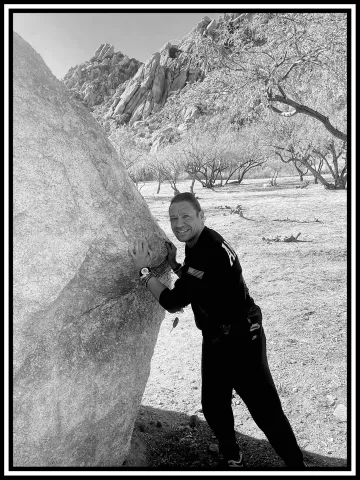
I am steady and grounded. I don’t go around giggling, nor do I walk around with a heavy frown. Rather than extreme emotions, I have a peaceful feeling deep inside me. When I think about the people in my life, especially those I may have hurt or let down, I say a little prayer. I offer friends, relatives and even strangers unspoken apologies. If I caused harm, it was never intentional. Like the end of Mass, when we say, “Peace to you, as God gives His peace to us,” I believe peace only matters when it’s shared.
Since Feb. 11, 2025, I’ve enjoyed every day of sobriety in the New Life program at Denver Rescue Mission. I’ve reconnected with myself, with a supportive community, and with God. With the help of a clinician, chaplain and the love of my family in Texas, I’ve been healing. I haven’t craved substances because now I know the difference between feeling truly alive and choosing to numb myself to my environment. I’m surrounded by peers and coaches who understand what it means to choose life over substance use disorder, and I wouldn’t trade this clarity for anything.
In June, I finally went white-water rafting on the Arkansas River in Browns Canyon, something that had been on my bucket list for years. Riding the rapids, a wave of pride and divine peace rushed through me. I was alive. I was sober. I was present.
Community is my anchor; my accountability matters deeply to me. Life is precious. Substance use clouds our ability to feel, to grow, to truly be alive. Healing brings freedom and peace.
Arnel
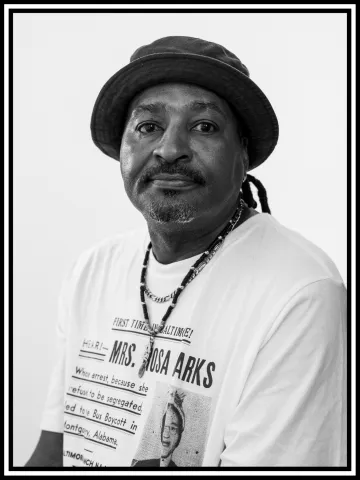
I am an easygoing extrovert who became more of an introvert after COVID-19. I find joy in bodies of living or flowing water, in spending time in nature, and in the warmth of genuine smiles.
My life has changed significantly while on my journey to recovery. The people I choose to engage with, the activities I participate in, and the way I see myself have all shifted for the better. My self-esteem has grown, and I’ve found myself opening and sharing more than ever before.
A defining moment in my recovery was the time I spent at Ft. Lyon, a sober living rehab facility offering a two-year program. The overall experience and being able to graduate from that program was life changing.
Communities can better support people in recovery by being genuinely concerned, offering encouragement, and engaging with consistent follow-up and support.
If someone reads or hears my story, I hope it brings a smile and a sense of encouragement. I’d love for it to inspire others to become part of the solution—working together to create a better life, a healthier society, and a more stable, hopeful future.
Please, do what you can, when you can, with what you have—for all of us.
Charlotte
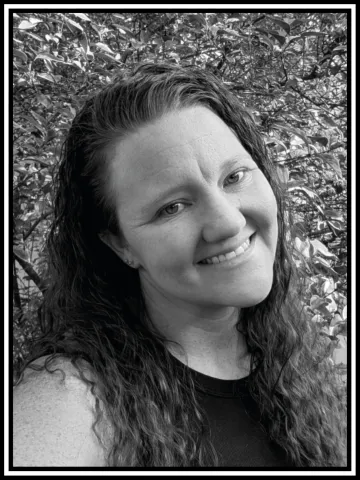
I am authentic, compassionate, and I practice integrity and advocacy for myself and others facing stigma and injustice. Self-discovery and helping others give me purpose and fuel my own recovery. I find joy in nature, especially hiking, biking, kayaking, road trips and watching sunsets. I love learning and having meaningful conversations with others.
In recovery, I’ve been able to break away from feeling anxious or inadequate. Rather than having to wear a mask or perform for others, I enjoy discovering and loving myself unapologetically.
A defining moment in my journey came after 30 years of surviving a loveless family with a narcissistic mother, and 20 years of drinking alcohol to cope. I went to treatment, and for the first time in my life I wasn’t treated like the problem, but as a person coping with an external problem. The love and grace shown to me by people who genuinely cared energized and empowered me to heal and live a meaningful life.
The community can better support those in recovery by understanding that overly individualistic societies, generational trauma, abuse and neglect are root causes of addiction. Substance use disorder (SUD) is largely a systemic problem rather than solely an individual problem. We can break stigma by replacing judgment with curiosity, showing compassion, and being part of the solution.
SUD can affect anyone. It develops as a survival response, not a character flaw. People with SUD are often good people who have had to find extreme ways to cope with and survive harsh environments, but they can heal and find themselves again with patience, understanding and compassion. Since getting sober, I have learned to embrace my journey and my true ethical values of what it means to be human: authentic connection, loving relationships, healthy fun, gratitude and helping others in need.
Conner
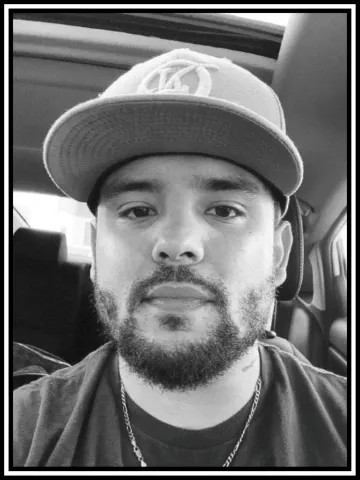
I am a consistent, compassionate and laid-back person who finds joy in working with others, being outdoors and spending time with my daughter.
Before recovery, my whole life had been dictated by drug use. My birth parents suffered from substance use disorder. They made poor decisions both for me and themselves, and I made my own poor choices. In recovery, I have found hope. I can be trusted, and I have a good work ethic. I love learning and can keep a job. I’m happier and more positive. Because of these changes, I’m able to maintain positive relationships with friends and family.
To find help, I made the decision to leave Iowa and move to Colorado. I needed to be sober, and there were very few resources where I grew up for people with substance use disorder and those living in recovery.
One of the ways the community can better support those in recovery is by being more open-minded and believing that people truly can change and become positive members of society. Providing greater access to employment, education and other opportunities can make a significant difference in helping individuals rebuild their lives. My hope is that people take away the understanding that recovery is possible—no matter what someone’s journey has looked like—when they have the right attitude, strong work ethic and a supportive community around them. A difficult past does not make someone unworthy of love, respect or opportunity, and everyone deserves the chance to grow and move forward.
Kate
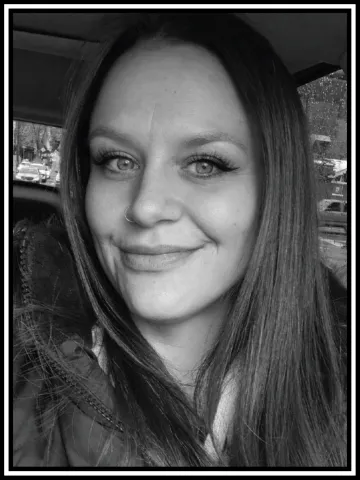
I describe myself as a walking story of "How am I still alive?" My success story mixes equal parts chaos, resilience and dark humor.
Life in recovery no longer feels like constant chaos. Before recovery, every day was about survival—where to sleep, how to numb myself, how not to feel. Now, I have space to think, feel and make choices instead of just reacting. My life is more stable, but also more real. Feeling emotions can sometimes suck, but it also means I get to experience joy, connection and peace in ways I never could before. I trust myself more, take responsibility for my life, and no longer feel the need to run from it.
A defining moment in my recovery was becoming a peer specialist. I realized I didn’t need to hide from my past, and my experiences could help others survive theirs. Working as a peer specialist with formerly incarcerated people made that even more meaningful and confirmed that change is more than possible.
Communities can better support recovery by moving beyond judgment and focusing on practical support. Harm reduction should be accepted, not debated. Access to services needs to be easier, not harder. End stigma around substance use disorder and incarceration. Hire people with lived experience. The biggest thing: believe that people can change. Recovery and reentry both take time, support and patience.
People are not defined by their worst moments. Substance use disorder and incarceration don't erase someone's value and recovery isn't a straight line. Recovery happens because people are given support, patience, access to care, and space to rebuild without being constantly reduced to their past. You can come from chaos, loss, homelessness, incarceration and trauma and still build something stable, meaningful and real. Change is possible, but dignity must come first.
Kitty
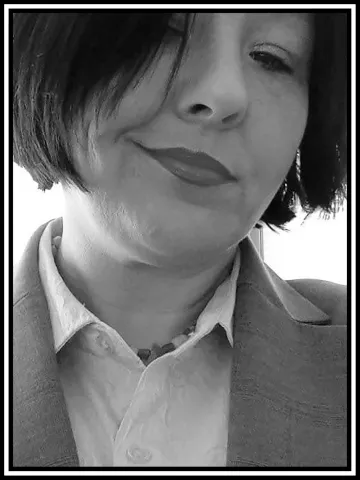
I would describe myself as a mother, someone who loves being outdoors and someone who loves helping others. I’m energetic, outgoing and I like to think I have a good sense of humor.
Thanks to Denver Health, I’m now in recovery. And for the first time in a long time, I feel hope. The crippling hopelessness that came with my addiction is no longer part of my daily life. My relationship with my family, especially my children, has been renewed and filled with promise.
There are no words to fully capture the feeling of realizing you’re in way over your head. It’s like trying to fight an entire army with a wooden sword. There’s no easy way out, but there is a way out.
The turning point for me was ending up in the ICU at Denver Health. I spent two weeks there, just sort of waiting to die. Deep down, I knew I didn’t want to die, but I also didn’t want to live like that anymore. Recovery hasn’t been easy. In fact, it’s probably the hardest thing I’ve ever done, but it’s also the most worthwhile.
If the community could begin to understand that addiction is a medical condition, not a moral failure or character flaw, it would make a real difference. Those of us who make it out have done so through real physical pain and emotional suffering. We need more compassion. We need more empathy.
The people struggling with addiction are mothers and fathers, sons and daughters, neighbors and coworkers. They are often in pain and feeling completely hopeless. Recovery is not easy, and just like with any other chronic illness, treatment, including medication, is often necessary.
Medication-Assisted Treatment (MAT) is recovery. And anyone — anyone — could be one bad decision away from facing the same battle.
Krystin
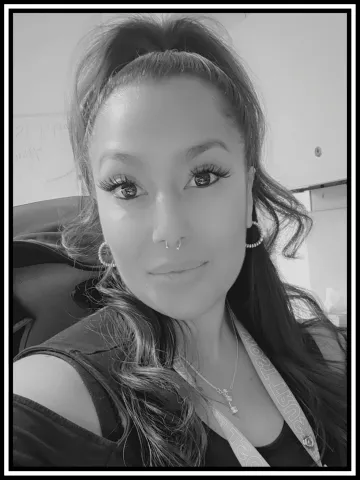
Since getting sober, I describe myself in many ways, but the best way is that I am driven to achieve the goals I set for myself. I am confident and passionate about helping others on their own recovery journeys and never imagined I’d love my work so much, or that supporting others could bring such joy. I never thought being a Peer Support Specialist would allow me to do something so meaningful.
My life has only gotten better since becoming sober, though I acknowledge it isn’t easy. I remember the days when I relied on drugs just to function, when life felt like it was going nowhere. Everything changed when Child Protective Services got involved. I was given a choice: enter treatment or sign away my parental rights. My heart sank, but without hesitation, I chose recovery. I chose my daughters. And I never looked back.
I was never perfect in my recovery, especially when first getting sober. I thought I needed to be perfect but realized there was no way I could be. Still, I never gave up. Today, I have my kids, a home, a loving husband and dreams I’m still chasing. I may be a few steps behind others, but I’m doing it all sober—and I’m proud of that.
Substance use disorder is not merely a choice. People need to understand how hard recovery is, how much courage it takes to begin, and community support is vital. I’m not ashamed of my past. I share my story because if it helps even one person believe they can recover, it’s worth it.
I used to think addiction ruined me. Now, I know it’s the reason I get to walk beside others and show them what’s possible. Recovery gave me my life back, and I’ll always be grateful.
Kyle
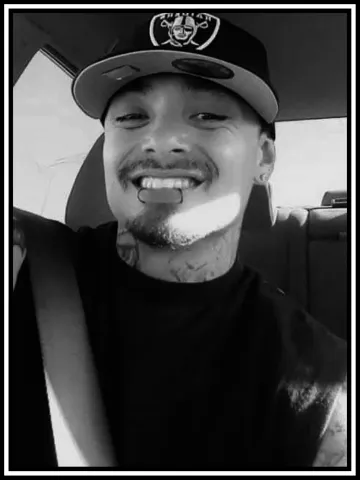
I’m a sentimental guy at heart, someone who finds real joy in lifting up others. Making people laugh and helping them stay positive, especially when they’re going through tough times, gives me a deep sense of purpose. It matters to me to be the kind of person who shows up for others, no matter what.
Since beginning my journey to recovery, my life has changed in ways I never imagined. For the first time, I have real goals that I’m actively working toward. Completing my sober living program has been one of the biggest steps in that direction. I’ve never experienced a program that offers so much support, and I truly believe that by the time I complete it, I’ll be a stronger, better version of myself.
One of the defining moments in my recovery was deciding to become a peer recovery coach. That felt like a turning point. I realized that everything I’ve gone through could actually serve a purpose — that my past, with all its challenges, could help guide someone else. I believe my lived experience brings real value to the recovery community, and I want to be there for others the way others were there for me.
That said, we still need more support in our recovery communities. People in recovery deserve access to programs that are welcoming, consistent, and judgment free. AA, NA, peer-led groups — these spaces can be life-changing when someone is ready to ask for help.
If there’s one thing I hope people take away from my story, it’s this: recovery is possible. If I could come out of the darkness, so can you. It takes honesty, courage, and support, but it can be done. Substance use disorder is real, and it’s serious. But so is the hope on the other side. Don’t wait. Reach out. You’re not alone.
Laura
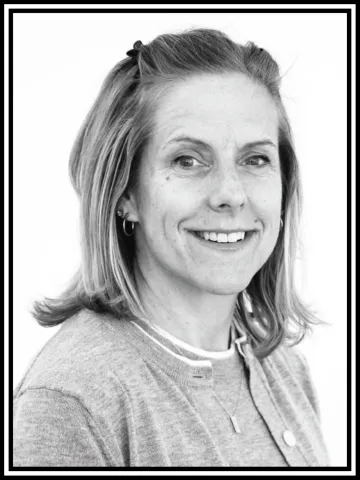
I am truly changed from the person I was before recovery. I am a mom, wife and a strong woman. Joy now comes from the things that eluded me for a long time: good food, sleep and time with my family that isn’t overshadowed by the need for a drink.
In my recovery journey, my focus in life has done a complete 180. For years, I was entirely focused on myself and what made me feel good, with little regard for others. Now, I’m content and happy with who I am, and able to give the people I love the attention they deserve. Seeing them happy makes me happier than I ever thought possible.
A defining moment in my journey came while I was in treatment, and the treatment was not “traditional.” There was a lot of down time, and it became clear to me I had to figure out who I was so I would never have to go through that experience again. I realized this journey belonged to me, and I had the power to decide whether I was going to drink again and who I was going to be moving forward.
Suffering from substance use disorder means losing autonomy to whatever substance is being used. Communities need to realize that each person defines their own recovery. There is no magic formula. When someone wants to find sobriety, they must decide how it’s going to happen for them. It won’t be a clear path, and it can get messy, but it’s their story to write and that's the most empowering and exciting part of the journey.
I wish people understood that substance use, no matter the age or circumstance, can unintentionally turn into substance misuse. No one grows up saying, “I want to be an addict.” No one.
Percy
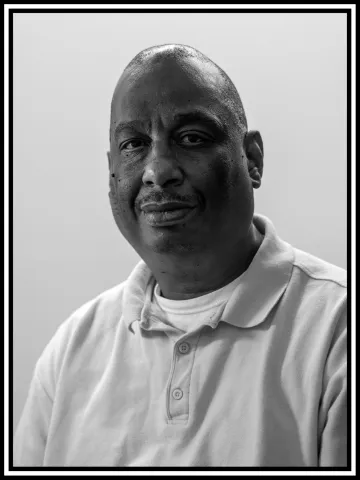
I’d describe myself as driven, hardworking, easygoing—and a good person at heart. What brings me joy today is seeing the progress I’ve made: getting my life together, staying in recovery, and moving forward. I take pride in remembering where I came from. It also brings me joy to see my daughter doing well, even after being out of her life for a while. I’m grateful to have two grandkids and being in their lives means a lot.
Before recovery, I was deeply depressed. Now I’m happy. I have my own place, and though I struggle with some health problems, I still feel like I’m moving forward. The turning point was admitting I had a problem. Once I faced it, I could work on it. I grew up with a mother who drank heavily, no father, was kicked out of 12th grade for violence, and lost the person who stepped in to help– my aunt. Drugs and alcohol were everywhere, and things got worse in my twenties. But I had to pull myself out. No one could do it for me.
The community needs to focus on people who are truly ready for help. I’ve seen too many efforts go to those who aren’t ready, while people trying to get better are overlooked. I moved from Atlanta five years ago, entered Crossroads, got a job and my own place. Some people I met there are still stuck, but I kept going.
What I want people to take away is this: if you really want recovery, it’s possible. But you can’t live in both worlds—if you’re serious, you have to let go of the people still using. Substance use disorder doesn’t discriminate and it affects all walks of life. The community can help by supporting those ready to change.
Randle
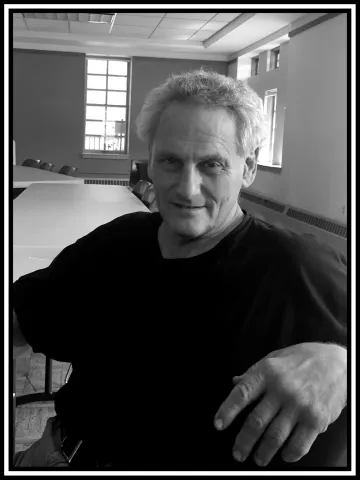
I’m someone who finds joy in being alive and fully present. I love solving problems, writing — especially prayers, poetry and thoughtful reflections — and exploring language and meaning. I find peace in meditation and deep thinking. Physical activities like biking, swimming and gardening also ground me. Music, especially opera and dance, moves me deeply. I’m curious by nature and find fulfillment in asking big questions, connecting with others and being of service.
Life has changed significantly during my recovery. I’ve faced serious struggles, including surviving personal crises. But I’ve stayed resilient and explored parts of myself I never thought I could.
A defining moment came when I lost many people close to me — family, friends and colleagues. I had to rebuild, form new relationships and embrace new possibilities. It was a time of deep loss and renewal. I found peace, held on to hope and realized that my experiences had prepared me for this new chapter.
PTSD has disrupted my growth as an elder. Panic and anxiety sometimes block my ability to function. Recovery means navigating a world that often feels fractured — like looking through a cracked lens. I meet each challenge one step at a time. Life feels fragile, but I keep rising, because living means showing up with purpose and compassion.
At 75, I reflect with gratitude. I survived a suicide attempt during the time of 9/11 and spent years in recovery. Each moment is a gift, and the serenity prayer reminds me: This is all we truly have.
The community can better support those in recovery by listening with patience and without judgment, by being present, building trust and respecting that each person’s unique path matters. We are all connected, and compassion truly makes a difference.
Remus
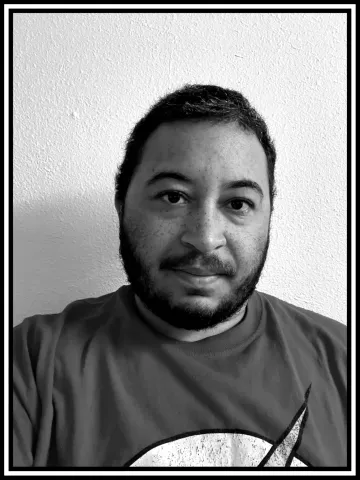
I’m sarcastic by nature, but at my core, I strive to understand others and to be understood. What brings me the most joy are the quiet, grounding moments: being in nature, connecting with animals or getting lost in a good book.
My struggle with substances was grounded in emotional incompetence, an inability to manage or even recognize my own emotions. Over the past six months, I’ve begun to truly understand the depth of my feelings and to learn the coping skills I once lacked.
One of the biggest realizations in my recovery journey was that blaming others for my actions, or inactions, caused more damage than most apologies can repair. Physical wounds may heal in weeks, but emotional harm can last months, years or a lifetime.
Substance use disorder is often misunderstood. It’s not just wanting something; it’s your body craving a chemical reaction it has been trained to depend on. Emotional pain can be just as consuming, just as damaging. Support for substance use disorder must include understanding this complexity, while support for emotional struggles requires empathy without pity. Sometimes, just being present, truly listening or sitting in silence can help someone begin to heal.
Often, substance use or emotional shutdowns are unspoken pleas for help. They’re not weaknesses; they’re signals. It takes tremendous courage to ask for help, and I’ve come to see that as a true act of strength. Substance use disorder can be invisible, masking deep mental or emotional wounds. But I’ve learned that using substances to cope only deepens the hurt. Recovery — emotional and otherwise — takes time, patience and a lot of grace.
Sam
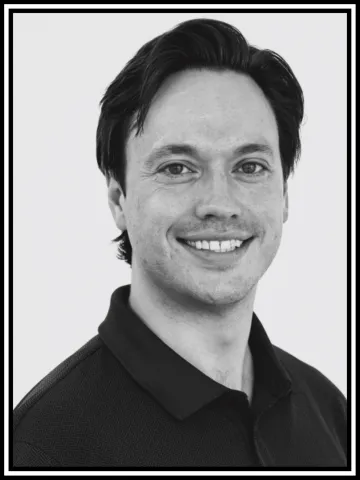
I’m a people-person, and a lot of my joy comes from connection and being part of a community. Building relationships, sharing experiences and learning from others are things I truly enjoy. I love trying new things and experiencing different cultures because they continue to shape how I see the world and who I am today.
Throughout my recovery journey, my perspective on life has changed a lot. I went from seeing things as “it is what it is” to understanding “it is what I am.” I’ve learned to look at my experiences not as obstacles, but as meaningful parts of my journey that helped shape the person I’ve become. These challenges have played an important role in building my resilience, self-awareness and sense of purpose.
At one point, I was severely injured and didn’t seek the help I needed because I feared the healthcare and judicial systems. That fear led to a chain reaction, making things much more difficult, and showed me firsthand how stigma and fear can keep people from reaching out, even when support is needed most.
From my perspective, communities can support people in recovery by creating spaces where it feels safe to be open and seek help. When organizations work together to make recovery services, peer support and community spaces easier to access, it makes a real difference. Community leaders can help by addressing stigma, supporting harm-reduction and recovery-focused efforts, and truly listening to people with lived experience.
The typical portrayal of someone experiencing a substance use disorder represents only the first page of a much longer story. Research consistently shows that stigma and concerns about job-related consequences can make it difficult for healthcare workers and other professionals to seek help or report substance use disorders.
Vicente
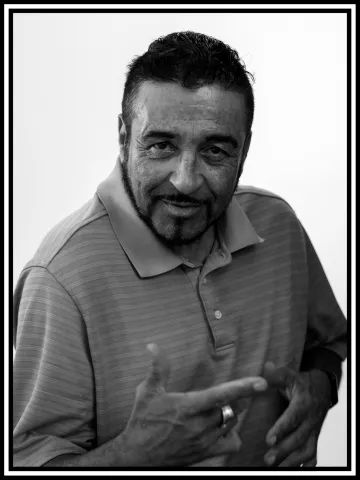
I’m a shy, low-key person until I feel comfortable enough to relax and let loose. When I talk about something I’m passionate about, like aliens or outer space, I forget my shyness and open up. These days cuddling with my dog Mitzi and taking her on walks brings me joy. I used to love riding my bike to Cherry Creek or down the Platte River, just cruising through the city and then back home. Now that I’m not getting high, I’m chasing a new kind of thrill. I recently went white water rafting and I plan to try hang gliding later this year. I think those things will bring me a new kind of joy.
Physically, I’ve healed. I no longer have holes on my arms or legs. Mentally, I’m not paranoid anymore. I bought a car and paid off the debt, something I could never do while using drugs. I stay active in recovery: groups at Denver Health, peer support, therapy and community programs. They're all separate pieces, but together, they’ve helped keep me sober for 9 months.
I’ve learned gratitude and patience. Just the other day, someone brake-checked me on Colorado Blvd. A year ago, I’d have lost it and probably would have crashed, gone to jail or gotten a ticket. But now, I keep calm and move on.
I suffered from substance use disorder and used multiple drugs. My dad abused me as a kid, then introduced me to drugs at 15 years old. I struggled with substance misuse in high school, moved to California to escape, but the dependency followed me. Multiple stints in rehab happened in 2005, 2009, 2014, 2020, and in 2024.
No matter how many times it takes, when you’re finally ready to do the work—sobriety is possible. I have hope.